
Living in a low-light apartment doesn’t mean you have to give up on the dream of a green, thriving home. Whether your space lacks sunny windows or you’re dealing with those tricky north-facing rooms, there are plenty of beautiful plants that actually prefer shade. In this guide, I’ll share the best low-light plants and styling tips to help you create a lush, inviting space that feels alive and fresh. Let’s turn those dim corners into your personal indoor jungle.
Why Low-Light Plants Are Perfect for Urban Living
Urban apartments often come with limited natural light, but that shouldn’t stop you from bringing nature indoors. Low-light plants have adapted to thrive in shadier conditions, making them ideal for apartments with north-facing windows or limited square footage. These resilient plants purify your air, add warmth to your decor, and boost your mood without requiring complex care routines. They’re also perfect for renters since you won’t need to modify your space or invest in grow lights. Choosing shade-tolerant plants means you can enjoy all the benefits of indoor greenery without fighting your apartment’s natural lighting constraints.
The Best Low-Light Plants for Beginner Plant Parents
If you’re new to plant parenting, start with these forgiving options that thrive on neglect. Snake Plants are nearly indestructible with their tall, architectural leaves and ability to tolerate low light and irregular watering. ZZ Plants feature glossy dark green foliage and can go weeks without water while flourishing in almost any light condition. Pothos vines cascade beautifully from shelves or hanging baskets, and they’re incredibly forgiving if you forget to water them occasionally. Peace Lilies add elegant white blooms and will dramatically droop when thirsty, making their needs obvious. These four plants will give you the confidence to expand your indoor garden while learning the ropes of plant care.
Strategic Placement for Maximum Impact
Where you place your plants matters as much as which plants you choose, even in low-light conditions. North-facing windows offer the most consistent indirect light, so position your most light-sensitive plants there. Observe how light moves through your space throughout the day to identify the brightest spots for your plants. Group plants together to create a microclimate with higher humidity, which helps them thrive. Avoid placing plants in completely dark corners or far from any light source—they’ll struggle to survive. Use mirrors and light-colored walls to reflect available light deeper into your rooms, giving your plants a natural boost without extra effort.

Choosing Stylish Planters and Stands
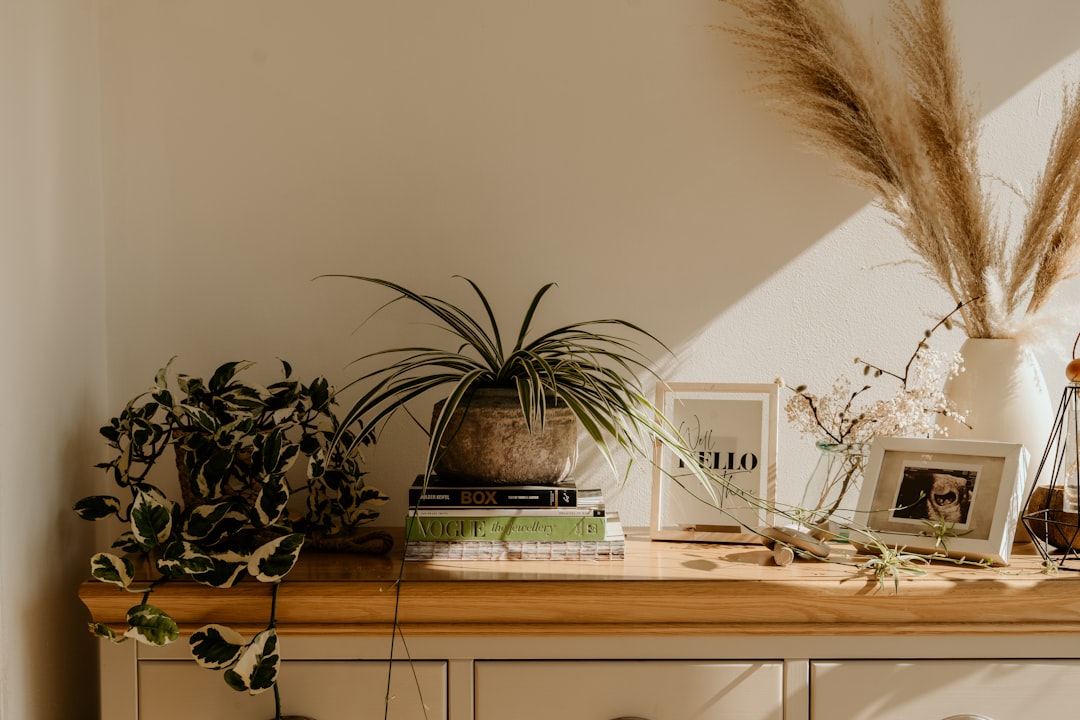
Your choice of planters and stands can elevate your plant display from simple to statement-making. For a modern aesthetic, consider sleek ceramic pots in neutral tones or concrete planters with clean lines. Woven baskets add texture and warmth to Scandinavian or boho-inspired spaces while hiding practical plastic grow pots. Plant stands in varying heights create visual interest and help you maximize floor space in smaller apartments. Floating shelves or wall-mounted planters work wonderfully for trailing plants like pothos, adding life to vertical spaces. Don’t forget about vintage finds—odd cups, metal tins, or wooden boxes can make charming planters with a bit of drainage added.
Integrating Plants with Your Existing Furniture
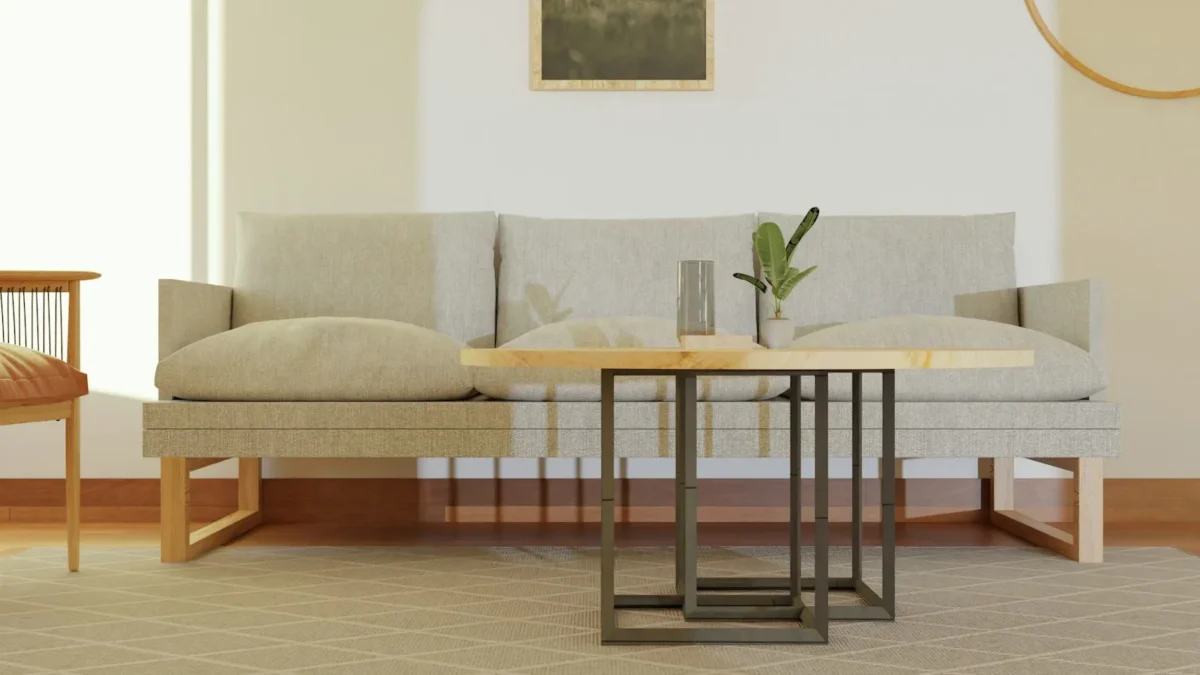
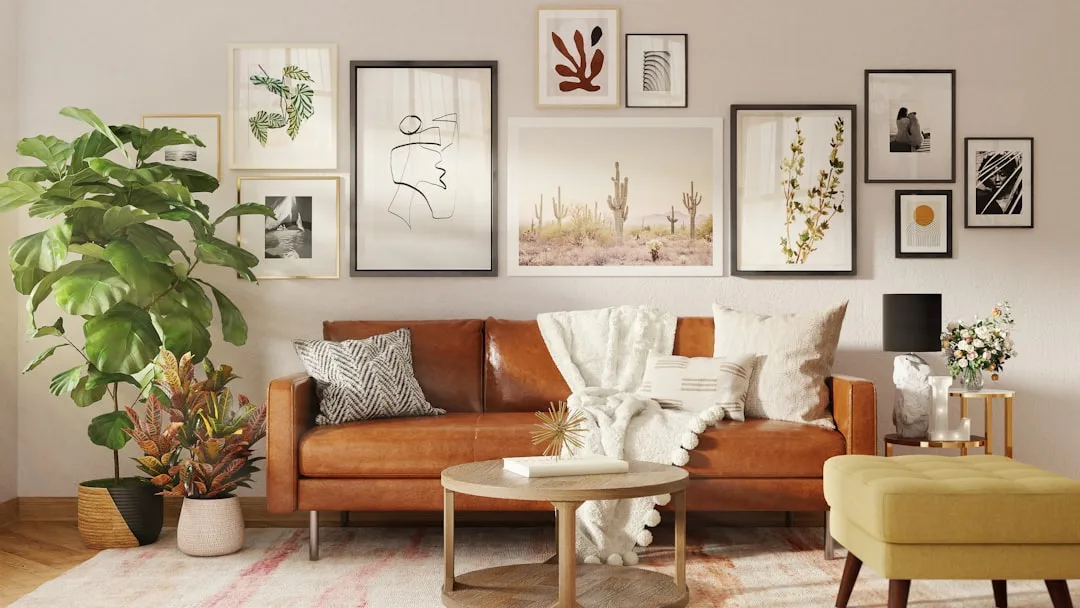
Plants should complement your furniture, not compete with it, so consider scale and color harmony when styling. Place larger floor plants like Snake Plants or ZZ Plants beside sofas, beds, or in empty corners to anchor your furniture arrangement. Use smaller tabletop plants as natural centerpieces on coffee tables, side tables, or dining surfaces. Match your plant’s foliage color to your furniture tones—dark green plants pair beautifully with light wood furniture, while variegated varieties pop against white or metal finishes. Consider the visual weight of your furniture and balance heavy pieces with lush plant groupings. Textiles like rugs and curtains can tie your plant colors together, creating a cohesive look throughout your space.
Simple Care Routines for Thriving Plants
One of the best things about low-light plants is how low-maintenance they are once you establish a simple routine. Water most low-light plants when the top inch of soil feels dry—typically once a week during growing season and less in winter. Always use pots with drainage holes to prevent root rot, which is the most common killer of indoor plants. Dust your plant leaves monthly with a damp cloth so they can photosynthesize efficiently despite lower light levels. Rotate your plants quarterly to ensure even growth on all sides. Remove any yellowing or dead leaves promptly to redirect energy to new growth. With these minimal care habits, your low-light plants will flourish with minimal effort on your part.
Frequently Asked Questions
What are the easiest low-light plants for beginners?
Snake Plants, ZZ Plants, Pothos, and Peace Lilies are the easiest low-light plants for beginners. They tolerate neglect, require minimal watering, and thrive in shaded conditions without special care.
Can plants survive in a room with no windows?
No plant can survive in complete darkness, but many thrive in very low light. Place plants near any light source, even interior rooms, and consider a small grow light for genuinely dark spaces.
How often should I water low-light apartment plants?
Water most low-light plants when the top inch of soil dries out, typically once a week in summer and every two weeks in winter. Overwatering is the biggest mistake—always check soil moisture first.
Do low-light plants attract pests?
Low-light plants can attract pests like fungus gnats or spider mites, especially in humid conditions. Prevent issues by avoiding overwatering, ensuring good air circulation, and wiping leaves regularly.
Can I use a grow light for my low-light plants?
Yes, a simple LED grow light can supplement natural light and help low-light plants thrive. Position it a few feet above plants and run it for 6-8 hours daily for best results.