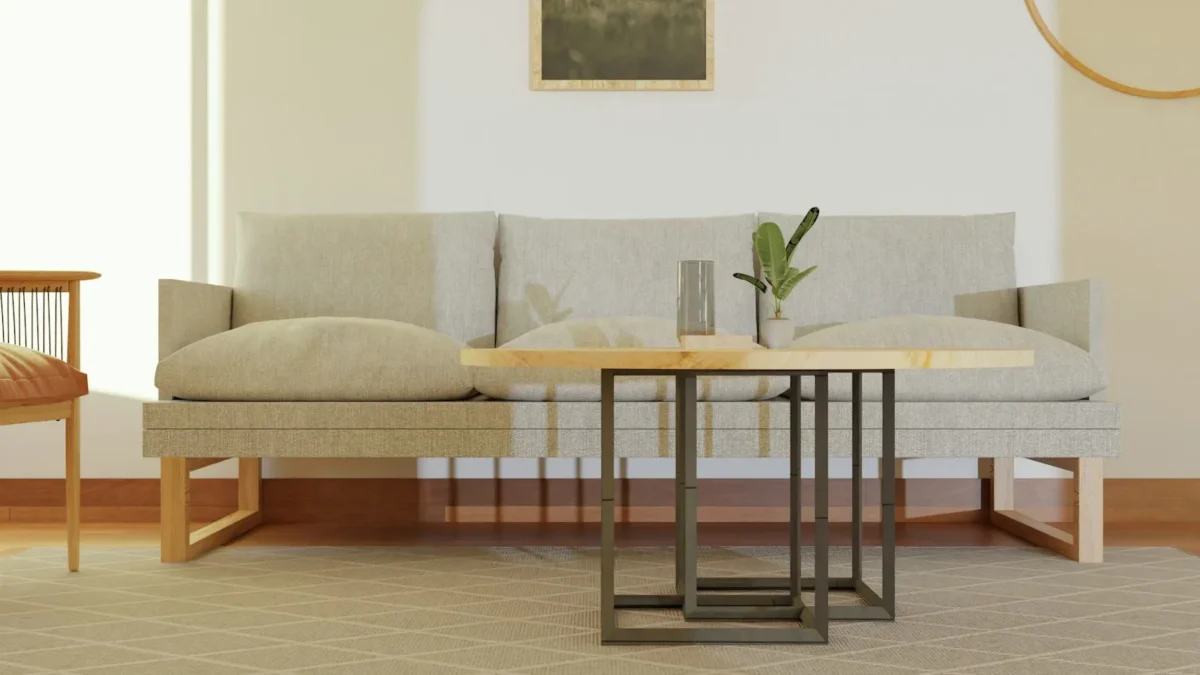


There’s something incredibly satisfying about finding a beautiful piece of furniture for a fraction of its retail price. Whether you’re furnishing your first apartment or refreshing a room, second-hand shopping can yield stunning results—if you know what to look for. Many people shy away from thrifting because they fear bringing home wobbly, scratched, or just plain ugly pieces. But with the right knowledge, you can uncover real treasures that will last for years. Let’s dive into the expert strategies that will transform you from a cautious browser into a confident furniture hunter.
Where to Find the Best Second-Hand Furniture
Not all thrift stores are created equal, and knowing where to shop can make or break your thrifting experience. Estate sales often feature high-quality solid wood pieces that families are downsizing, while consignment shops typically curate their inventory for style and condition. Goodwill and Habitat for Humanity ReStore locations vary widely by location—visit during weekday mornings for the freshest arrivals. Online marketplaces like Facebook Marketplace and OfferUp let you filter by distance, price, and condition, but always view items in person before committing. Don’t overlook garage sales in affluent neighborhoods, where people often part with well-made furniture simply because it no longer fits their decor.
How to Inspect Furniture Quality Before Buying
Before purchasing any piece, give it a thorough once-over that could save you headaches later. Sit on chairs and couches to test stability—no wobbling or creaking should occur. Open and close drawers to ensure they slide smoothly on their tracks. Run your hands along edges and corners to check for damage that might not be visible from across the room. Flip smaller pieces upside down to examine the underside construction. If something feels lightweight for its size, that’s often a red flag indicating hollow construction or particleboard. Don’t be shy about asking questions—sellers usually appreciate knowledgeable buyers and will share insights about a piece’s history and any flaws.
Understanding Solid Wood vs. Engineered Materials
The material underneath the finish determines a furniture piece’s longevity and value. Solid hardwoods like oak, maple, and walnut can last generations and often be refinished multiple times. Softwoods like pine are more prone to dents but can work beautifully in low-traffic areas. Watch out for particleboard, MDF, and engineered wood—they might look appealing at first but often can’t support heavy weight and deteriorate quickly when exposed to moisture. Veneer over solid wood can fool you, so examine unfinished areas like the inside of drawers or the back of panels. If you see consistent grain patterns, it’s likely real wood; uniform, repeating patterns suggest veneer or engineered materials.

Best Times to Score Great Furniture Deals
Timing your thrifting trips strategically can dramatically improve your finds. Early morning hours on weekdays often yield fresh inventory as stores unpack overnight donations. Most people shop weekends, so weekday excursions mean less competition and first pick of new items. End-of-month and end-of-season periods see increased donations as people move or declutter. January and August are particularly good months—post-holiday clutter drives大批 donations, and back-to-school transitions prompt downsizing. If shopping at estate sales, arrive early for the best selection, but last-hour shoppers sometimes snag deals as sellers become motivated to sell remaining items. Online listings often drop on Sunday evenings as people prepare for the week ahead.
Negotiating Prices Like a Pro
Most thrift stores and private sellers expect some negotiation, so don’t be afraid to make an offer—politely. Start by researching comparable prices online so you know fair market value. If a piece has visible flaws, point them out specifically and suggest a lower price based on repair costs. Bundle multiple items from the same seller for automatic discounts. Cash talks—offering immediate payment often sways hesitant sellers. Keep your tone friendly and collaborative rather than adversarial; you’re looking for a win-win. At chain thrift stores, know that prices are often fixed, but independent shops and all private sales expect negotiation. Even small discounts add up over multiple purchases, and the practice builds confidence.
Restoring and Maintaining Thrifted Finds
A little TLC can transform a tired second-hand piece into a stunning focal point. Clean thoroughly with a mild soap solution, then assess whether it needs sanding, refinishing, or simply a fresh coat of paint. Small repairs like tightening loose joints or replacing hardware are manageable DIY projects that add tremendous value. Reupholstering a quality frame costs far less than buying new and yields completely custom results. Protect wooden surfaces with coasters and occasional polish. For pieces that will see heavy use, reinforce joints with wood glue and screws before they become problems. Document your restoration journey—these before-and-after transformations make engaging social media content and inspire other thrifters.
Frequently Asked Questions
What should I look for when buying used furniture?
Check stability by sitting on chairs and testing drawers. Examine materials—solid wood lasts longer than particleboard. Look for damage that requires expensive repairs. Don’t forget to measure your space and doorways before purchasing.
Is it worth buying second-hand upholstered furniture?
Quality vintage upholstered pieces can be excellent if the frame is solid wood with eight-way hand-tied springs. Avoid pieces with sagging cushions, stains that won’t lift, or frames that feel lightweight. When in doubt, reupholstering a good frame is worthwhile.
How do I know if furniture is truly vintage or just old?
Vintage pieces typically feature dovetail joints, solid wood construction, and traditional hardware like brass or wood knobs. Modern mass-produced furniture uses screws, staples, and manufactured materials. Examine construction details rather than relying solely on appearance.
What’s the best way to negotiate at thrift stores?
At independent shops and estate sales, offer 20-30% below asking if items show flaws. Be friendly, specific about damage, and prepared to walk away. Chain thrift stores rarely negotiate, but private sellers expect it. Always thank sellers regardless of outcome.
How can I find quality furniture at estate sales?
Arrive early with cash and a truck or large vehicle. Focus on pieces in good condition—refinishing costs add up quickly. Ask about provenance; families often share interesting histories. Check inside drawers and cabinets for damage invisible from outside. Last-hour deals are common as sellers want to avoid moving items.