
Your home should tell your story, and mixing vintage and modern furniture is one of the most rewarding ways to create a space that feels both timeless and fresh. Whether you’ve inherited a beautiful antique sideboard or fallen in love with a sleek contemporary sofa, bringing these two worlds together can transform your interior. The key lies in understanding how each piece relates to the others, creating harmony rather than chaos. This guide will walk you through practical strategies to blend these styles confidently.
Start with a Cohesive Color Palette
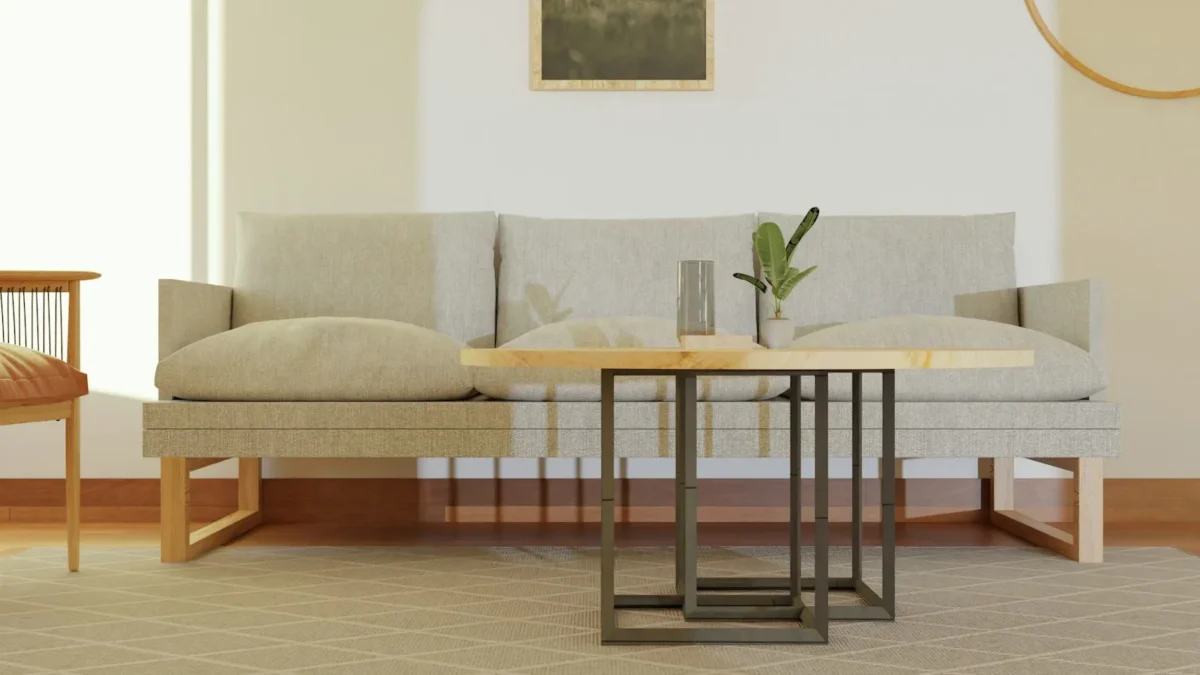
Before you place any furniture, establish a color foundation that can accommodate both eras. A neutral base of warm whites, soft grays, or earthy beiges gives you flexibility to introduce vintage wood tones alongside modern metal and upholstered pieces. Think of your wall color and larger textiles as the common language that allows different furniture styles to speak to each other. When your palette flows naturally from one piece to the next, the eye moves seamlessly between a 1970s armchair and a brand-new marble coffee table. This doesn’t mean every shade must match perfectly—rather, they should complement and enhance each other without competing for attention.
Let Vintage Pieces Be the Statement Makers
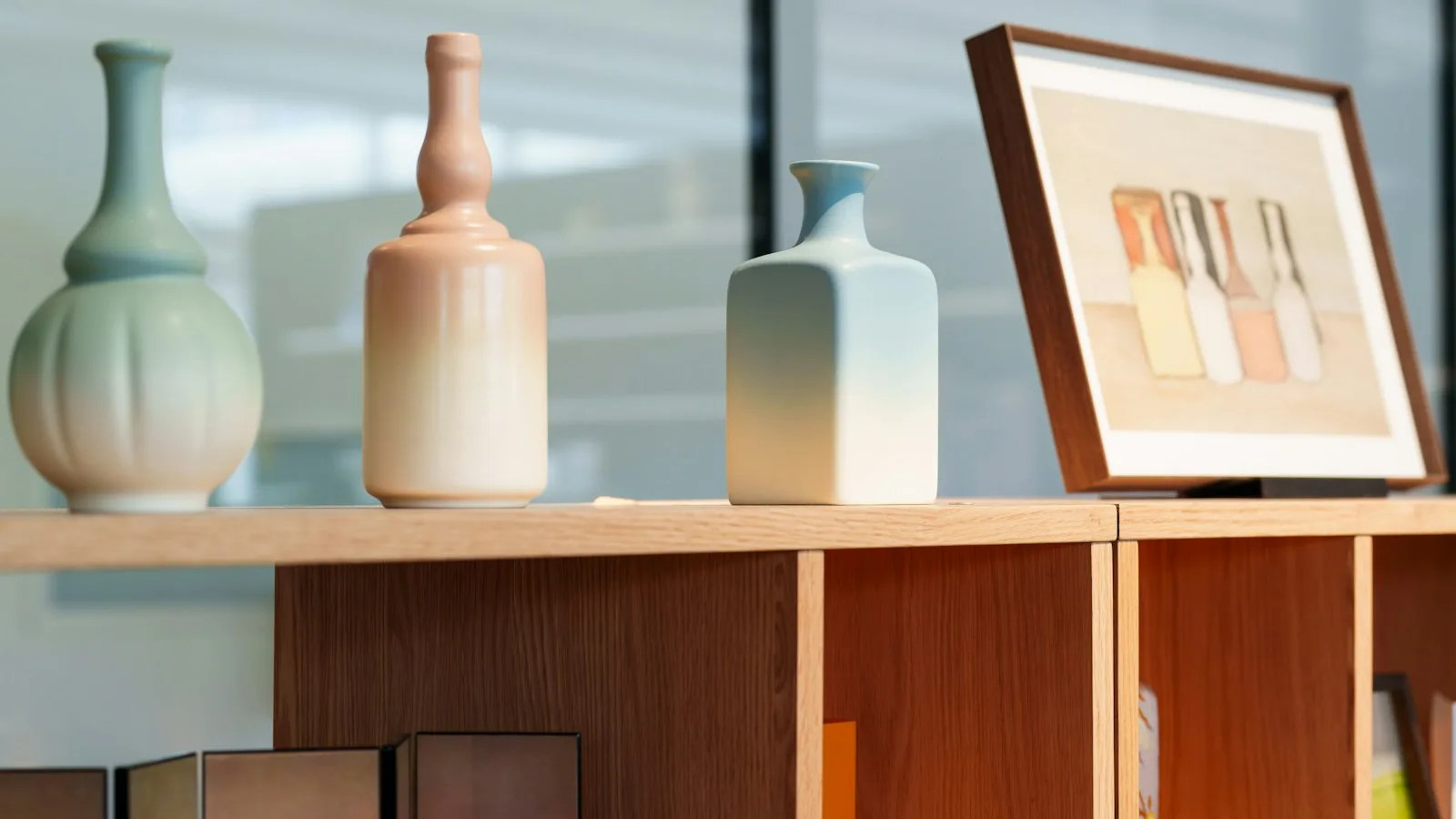
One of the most effective approaches is to let your vintage finds take center stage while modern pieces play supporting roles. An heirloom sideboard, a beautifully carved chest, or a restored mid-century credenza brings character and history that newer furniture simply cannot replicate. These pieces often feature intricate details, rich materials, and craftsmanship that become natural focal points. Pair them with simpler, cleaner-lined modern furniture that doesn’t compete for visual weight. This hierarchy creates visual interest—your eye travels from the statement vintage piece to the streamlined modern accents, creating a curated, collected-over-time aesthetic that feels intentional rather than accidental.
Balance Proportions and Scale Thoughtfully
Mixing furniture from different eras means paying close attention to size relationships. A bulky vintage sofa might overwhelm a delicate modern side table, while tiny mid-century chairs can look lost beside an oversized sectional. The goal is equilibrium: pair a substantial vintage dining table with sleek, lightweight modern chairs, or ground a minimal modern sofa with a chunky vintage rug or sideboard. Walk through your space and visualize weight distribution. Large vintage pieces often need breathing room, while delicate modern designs can fit into smaller gaps. When proportions feel balanced, the mixing feels natural rather than chaotic.
Create Visual Rest Points with Modern Minimalism
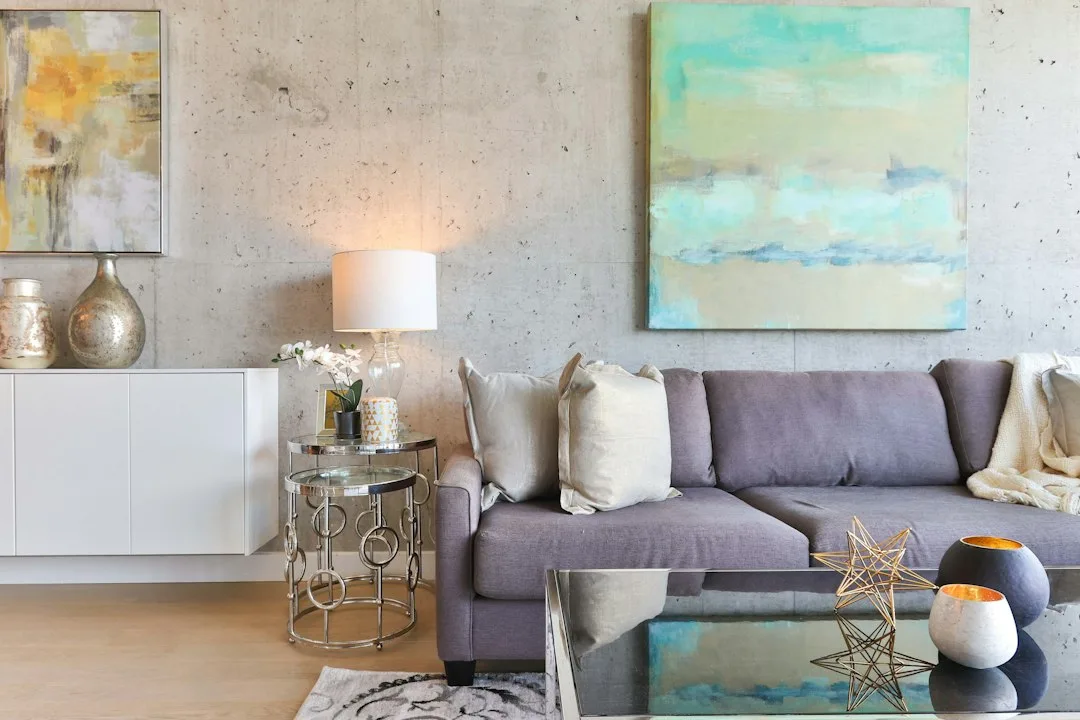
Modern furniture’s clean lines and simple forms actually help calm a space filled with ornate vintage pieces. Use contemporary items as visual rest points—places where the eye can pause amid all the detailed craftsmanship of older furniture. A streamlined floor lamp, a minimal console table, or a solid-color modern armchair provides breathing room between more decorative vintage elements. This technique prevents sensory overload and helps your space feel curated rather than cluttered. Think of modern pieces as the quiet moments in a conversation, allowing the louder vintage statements to shine without overwhelming the entire room.
Layer Textures and Materials Strategically
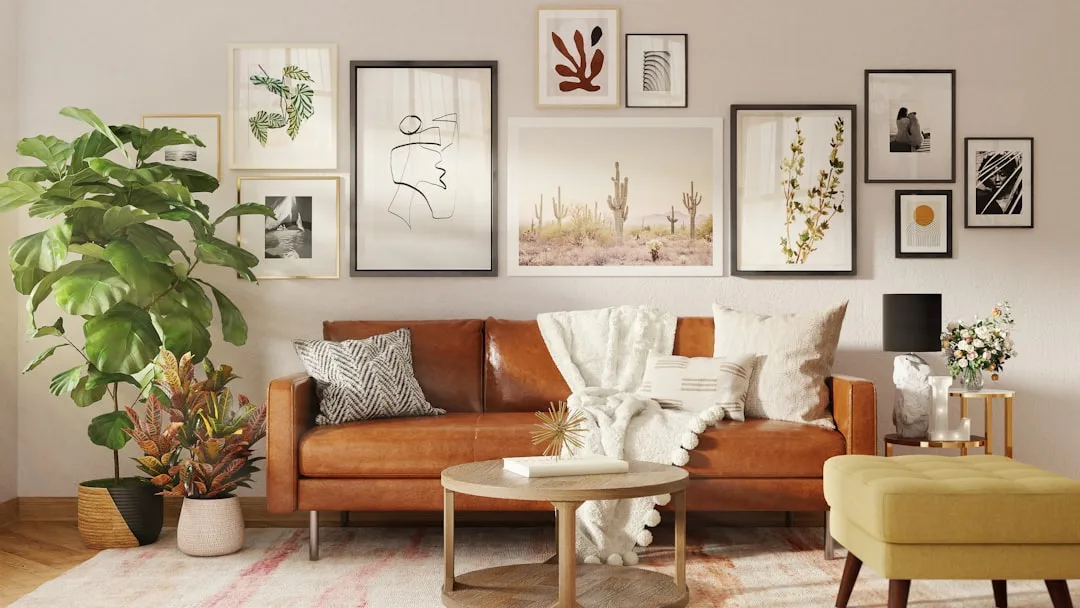
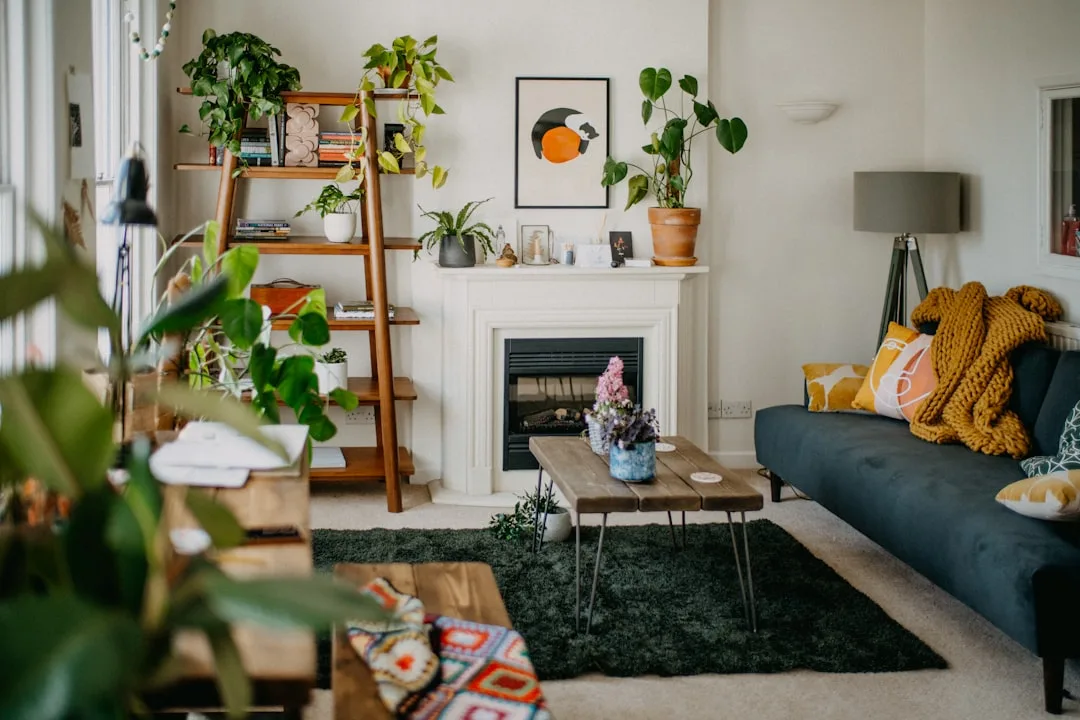
The magic of mixing vintage and modern often happens at the material level. Combine the warmth of aged wood with the coolness of metal, pair the softness of vintage velvet with sleek leather, or mix rustic patinas with polished surfaces. These textural contrasts create depth and make your space feel lived-in and interesting. A weathered vintage coffee table gains sophistication when paired with a smooth modern sofa. A gleaming metal floor lamp provides contemporary edge against a plush vintage armchair. Don’t be afraid to experiment with unexpected combinations—the most successful mixed spaces often feature surprising material pairings that somehow work beautifully together.
Edit Ruthlessly and Trust Your Instincts
The final secret to successful mixing is knowing when less is more. Not every vintage piece you own needs to be displayed, and not every modern item must stay. Edit your collection regularly, moving pieces to other rooms or storage if they aren’t contributing to the overall harmony. Trust your instincts—if something feels off, it probably is. Step back frequently and look at your space with fresh eyes. A successful blend should feel effortless, like your home naturally evolved over time rather than being forced together. Your personal taste matters most; these are guidelines, not rigid rules. When you love what you see, you’ve found the right balance.
Frequently Asked Questions
How do I start mixing vintage and modern furniture in a small space?
Begin with one vintage statement piece paired with simple modern essentials. Choose multi-functional modern items to save space, and use your vintage piece as a focal point. Keep the color palette cohesive to prevent visual clutter in smaller rooms.
Can I mix different wood finishes when blending furniture styles?
Yes, mixing wood tones works well when done intentionally. Stick to two or three wood finishes maximum, and ensure they share undertones—warm woods pair with warm woods, cool with cool. Use your modern pieces to introduce contrast.
What ratio of vintage to modern furniture works best?
There’s no perfect ratio—it depends on your space and preference. A common approach is 70% modern foundation with 30% vintage accents, or vice versa if you prefer a more eclectic look. Start conservative and add more vintage pieces as you gain confidence.
How do I make sure my furniture mix doesn’t look chaotic?
Use a consistent color palette, maintain similar proportions between paired items, and create visual rest points with clean-lined modern pieces. Edit regularly and trust your instincts—if something feels wrong, rearrange or remove it.
Where should I place vintage furniture in a modern room?
Position vintage pieces where they’ll make the biggest impact—against a plain wall, as a focal point in an entryway, or as a statement in the living area. Avoid cramping vintage items; give them space to breathe and showcase their details.