
Ever walked into a room that feels like a time capsule meets a design magazine? That’s the magic of blending vintage and modern furniture. Whether you’ve inherited a gorgeous mid-century chair or fallen for a sleek contemporary sofa, combining these styles can create a home that feels both timeless and fresh. In this guide, I’ll share practical tips to help you mix eras without clashing, so your space tells a story that feels intentionally curated.
Finding Your Common Thread
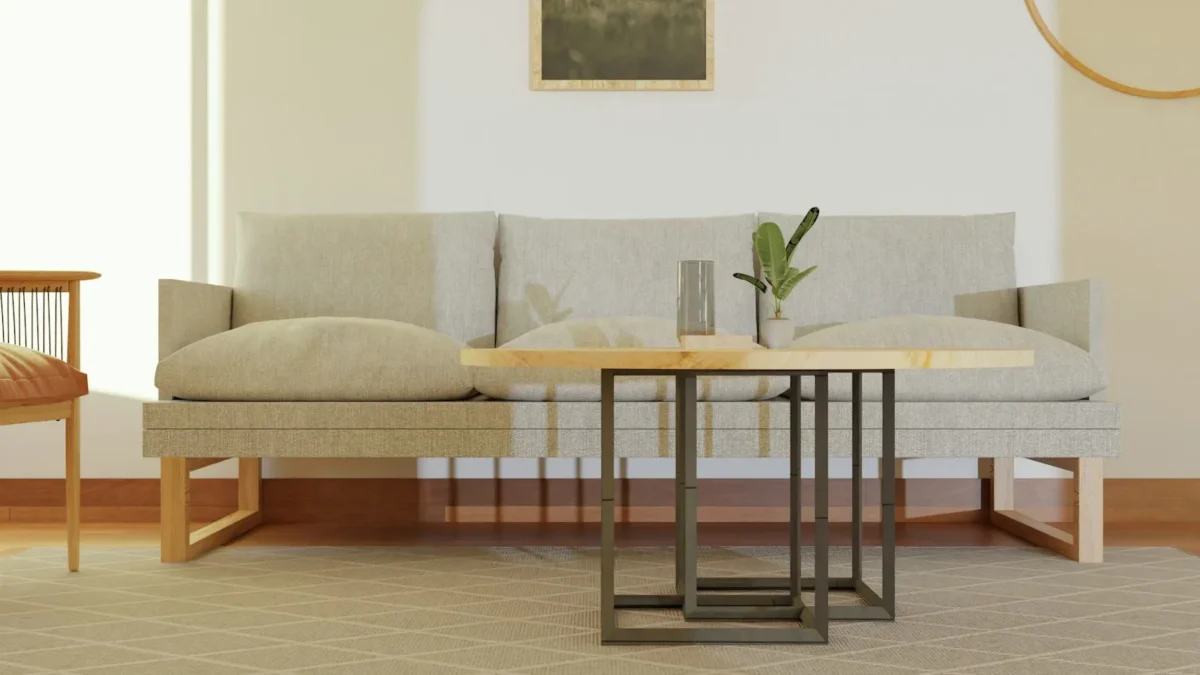
Every successful vintage-modern blend starts with finding a connecting element that bridges both styles. This could be a shared color palette, a material like warm wood or brushed metal, or even a similar design silhouette that echoes across decades. For example, if you have a sleek chrome lamp from the 1970s and a contemporary gray sofa, tie them together with a warm wood coffee table or open shelving unit. The key is identifying what makes both pieces work and amplifying that shared quality. When you establish this visual link, even very different furniture pieces start to feel intentional rather than accidental.
Let One Era Take the Lead
The secret to mixing vintage and modern without chaos is establishing a clear hierarchy in your space. Pick one style to dominate—usually about 70% of your furniture—and let the other serve as accents. If you love your vintage wooden hutch, build the room around it with modern pieces that complement rather than compete. A contemporary sofa in a neutral tone lets that hutch shine while keeping the space feeling current. This approach prevents the common mistake of equal weighting two different styles, which often creates visual conflict. Instead, you’re telling a clear design story where one era sets the stage and the other adds personality.
Playing with Proportions and Scale
One of the most overlooked aspects of mixing furniture styles is paying attention to proportions and scale. A bulky vintage armchair might overwhelm a delicate modern side table, but pair it with a substantial contemporary sofa and you’ve created balance. Think about visual weight— chunky mid-century pieces need room to breathe around sleek modern items. Don’t be afraid to mix sizes intentionally; a small vintage side table next to a large modern sectional creates interesting tension. The goal is making all pieces feel like they belong together, even if they came from different decades. Walk around your space and see if any piece feels out of place.
Texture and Material Magic
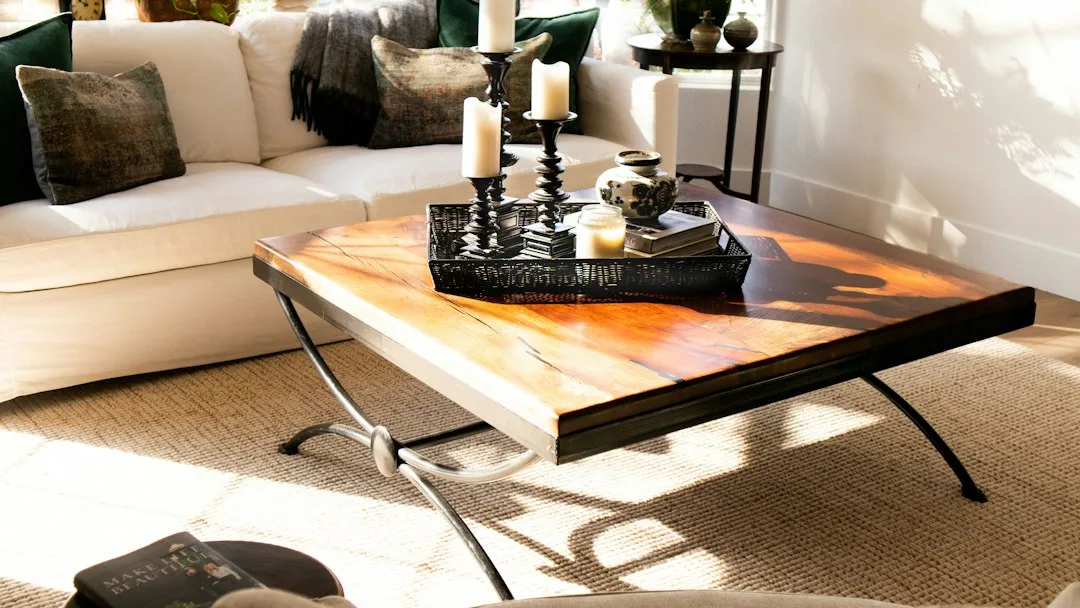
Texture becomes your secret weapon when blending different furniture eras. A worn leather vintage armchair and a crisp linen modern sofa might seem incompatible until you see how they feel together— one adds warmth and character while the other brings fresh simplicity. Wood, metal, glass, and fabric all interact differently, and mixing these materials thoughtfully creates depth in your rooms. Try pairing a sleek metal floor lamp with a rustic wooden console table, or add a plush contemporary rug beneath a vintage wooden dining set. These textural contrasts make your space feel layered and lived-in rather than one-note.
Building Around Neutral Bases
When in doubt, start with neutral furniture as your foundation and layer in vintage pieces as accents. A simple modern sectional in gray, beige, or white gives you flexibility to introduce statement vintage items without overwhelming the room. Think of neutrals as your canvas— they allow bold vintage finds to pop and create breathing room between different styles. You can always switch up your vintage accents seasonally or as your tastes evolve while keeping your main furniture pieces timeless. This approach also makes it easier to swap out smaller vintage items if your style shifts, protecting your investment while keeping your decor fresh.
Accessorizing to Tie It All Together
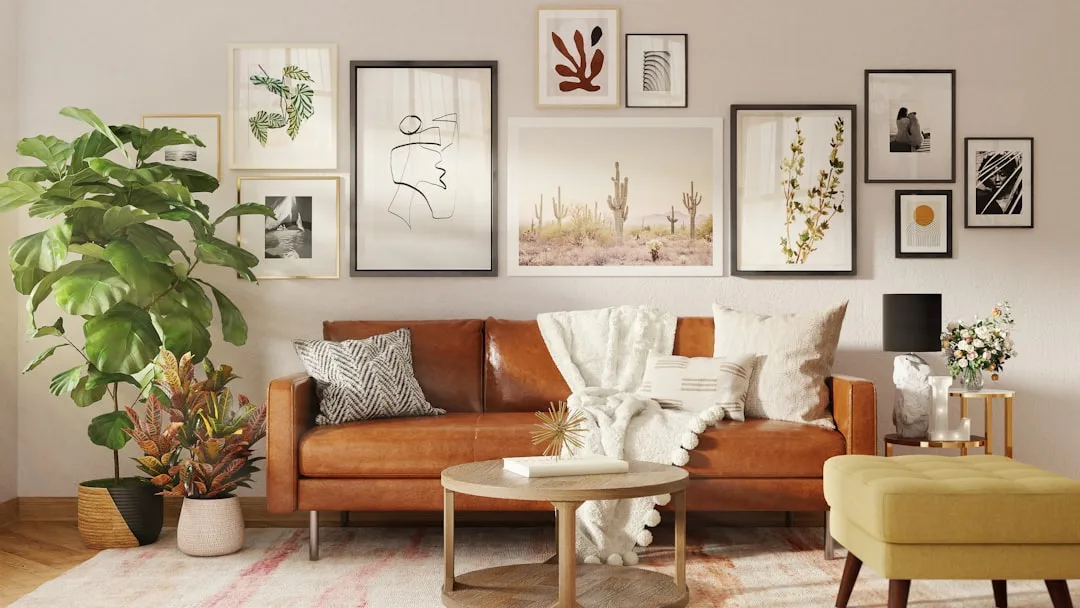
The final step in creating a cohesive vintage-modern mix is accessorizing with intention. Rugs, throw pillows, artwork, and decorative objects can bridge gaps between very different furniture pieces. A patterned rug with colors pulled from both your vintage and modern items creates visual unity. Artworks from different eras hung together on the same wall feel curated rather than confused. Lighting fixtures are especially powerful connectors— a vintage-inspired bulb paired with a modern fixture adds character. Don’t underestimate the power of plants, books, and personal treasures to make混合 feel homey and authentic.
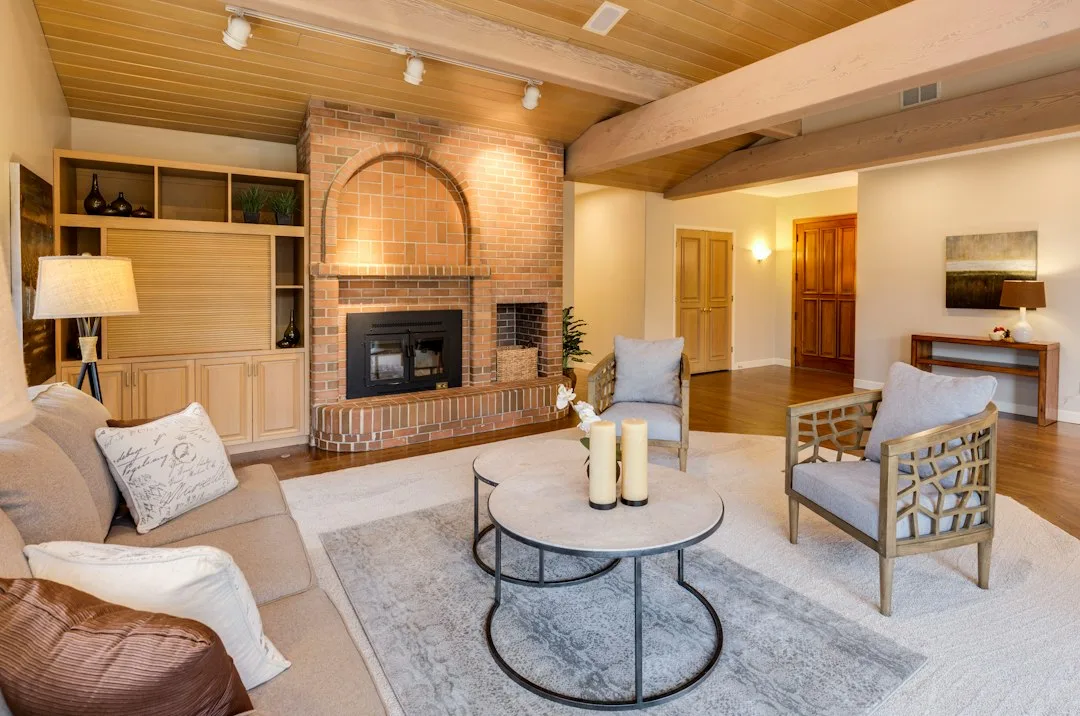
Frequently Asked Questions
Can I mix vintage and modern furniture in a small space?
Absolutely. Small spaces benefit from mixing styles because it adds character without requiring more square footage. Focus on one or two vintage accent pieces and keep larger furniture modern and streamlined to avoid making the room feel cramped.
What if my vintage pieces have different finishes?
That’s completely fine. Mix finishes intentionally— wood, metal, and painted pieces can coexist beautifully. Focus on unifying through color or style rather than matching everything exactly. A varied finish collection actually adds visual interest.
How do I know if furniture pieces will look good together?
Look for at least one connecting element— a shared color, similar material, or complementary proportions. Take photos of pieces in your space before committing. Apps and online room planners can help you visualize how different items will look together.
Should vintage furniture be restored or left as-is?
It depends on the piece and your preference. Original patina adds authentic character, while restoration can make vintage pieces feel fresher and more functional. Consider the piece’s condition and how it fits your overall aesthetic.
Where can I find quality vintage furniture?
Check antique shops, estate sales, flea markets, and online marketplaces like Chairish or 1stDibs. Many retailers also sell curated vintage reproductions if authentic pieces are hard to find in your area.