

Ever walked into a room and felt instantly calm? That’s the magic of two trending interior design styles—Scandinavian and Japandi. Both celebrate simplicity, natural materials, and functional beauty, yet they carry distinct personalities. Whether you’re furnishing a new home or refreshing your current space, understanding these differences helps you create a sanctuary that truly reflects your taste. Let’s explore what makes each style special and find the perfect fit for your home.
What Is Scandinavian Style?
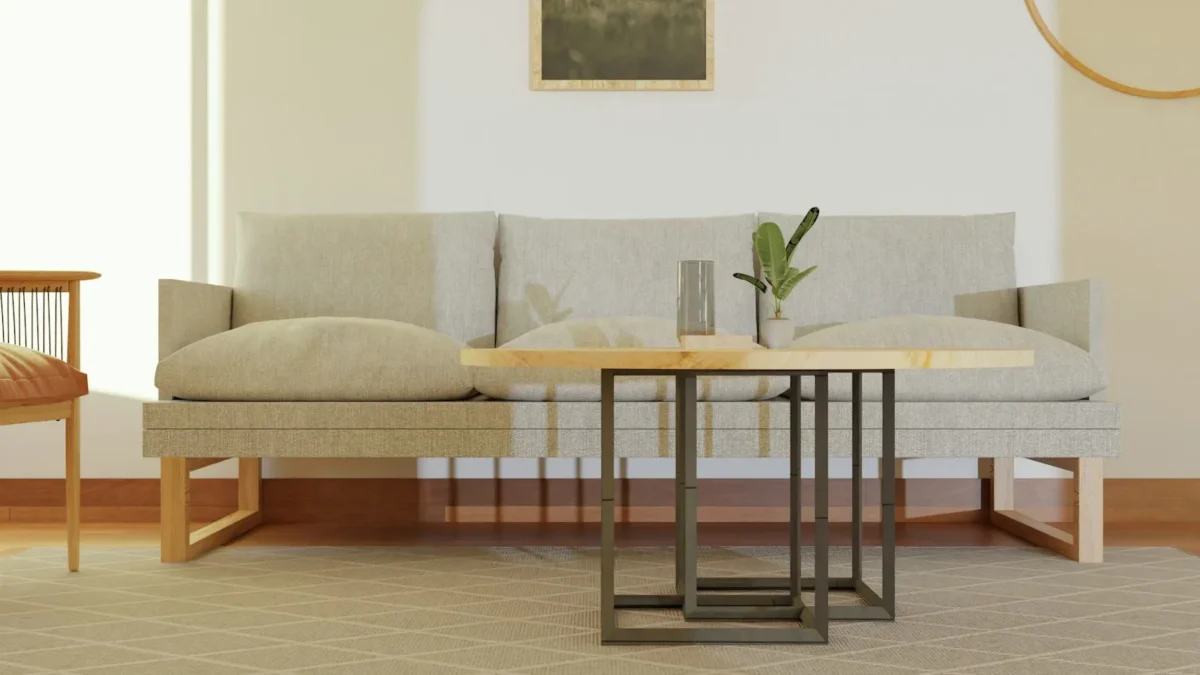
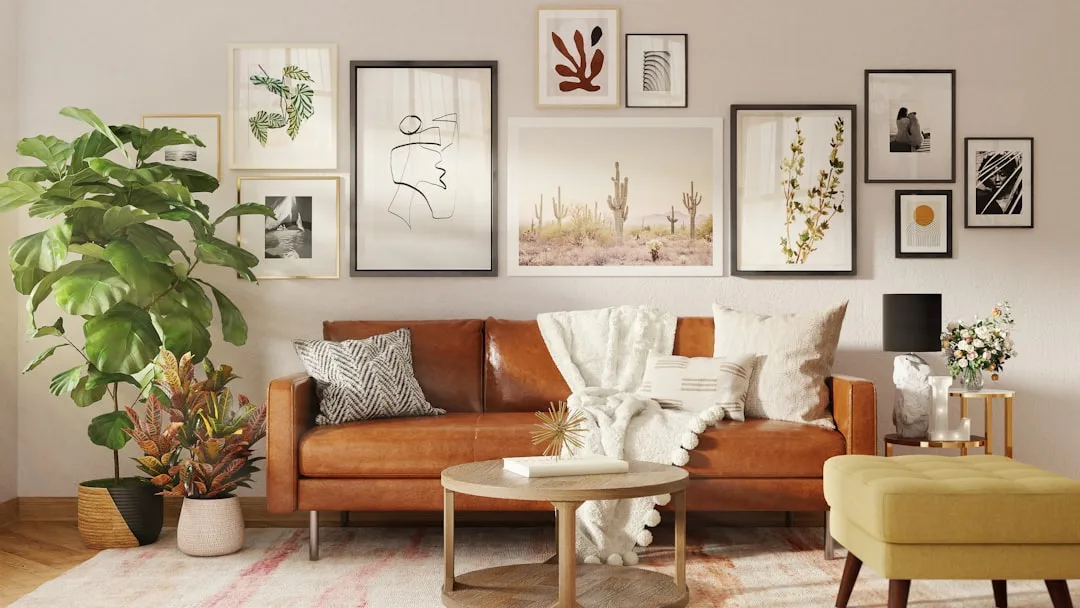
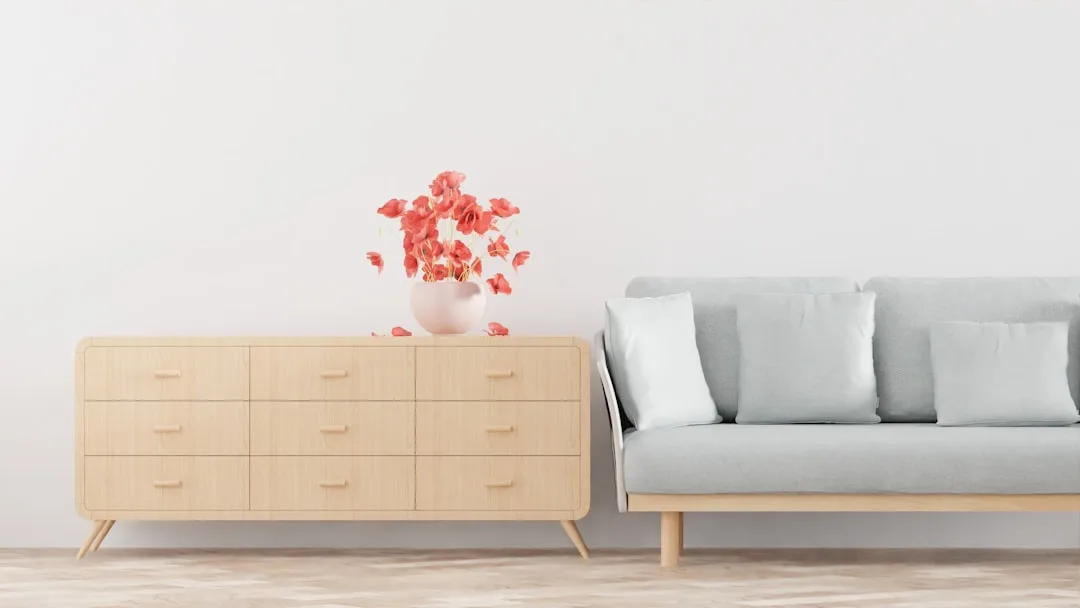
Scandinavian design, often called Scandi, originated in the Nordic countries during the early 20th century. The philosophy centers on functionality, minimalism, and accessibility. Key characteristics include light color palettes dominated by whites, creams, and soft grays, combined with natural wood tones. Furniture features clean lines, organic curves, and cozy textiles like sheepskin throws and knit blankets. The goal is creating bright, airy spaces that feel inviting without overwhelming. Materials include oak, pine, birch, and ash, often left in their natural state or lightly stained. Lighting plays a crucial role, with floor lamps, pendant lights, and candles bringing warmth to long winter nights.
What Is Japandi Style?
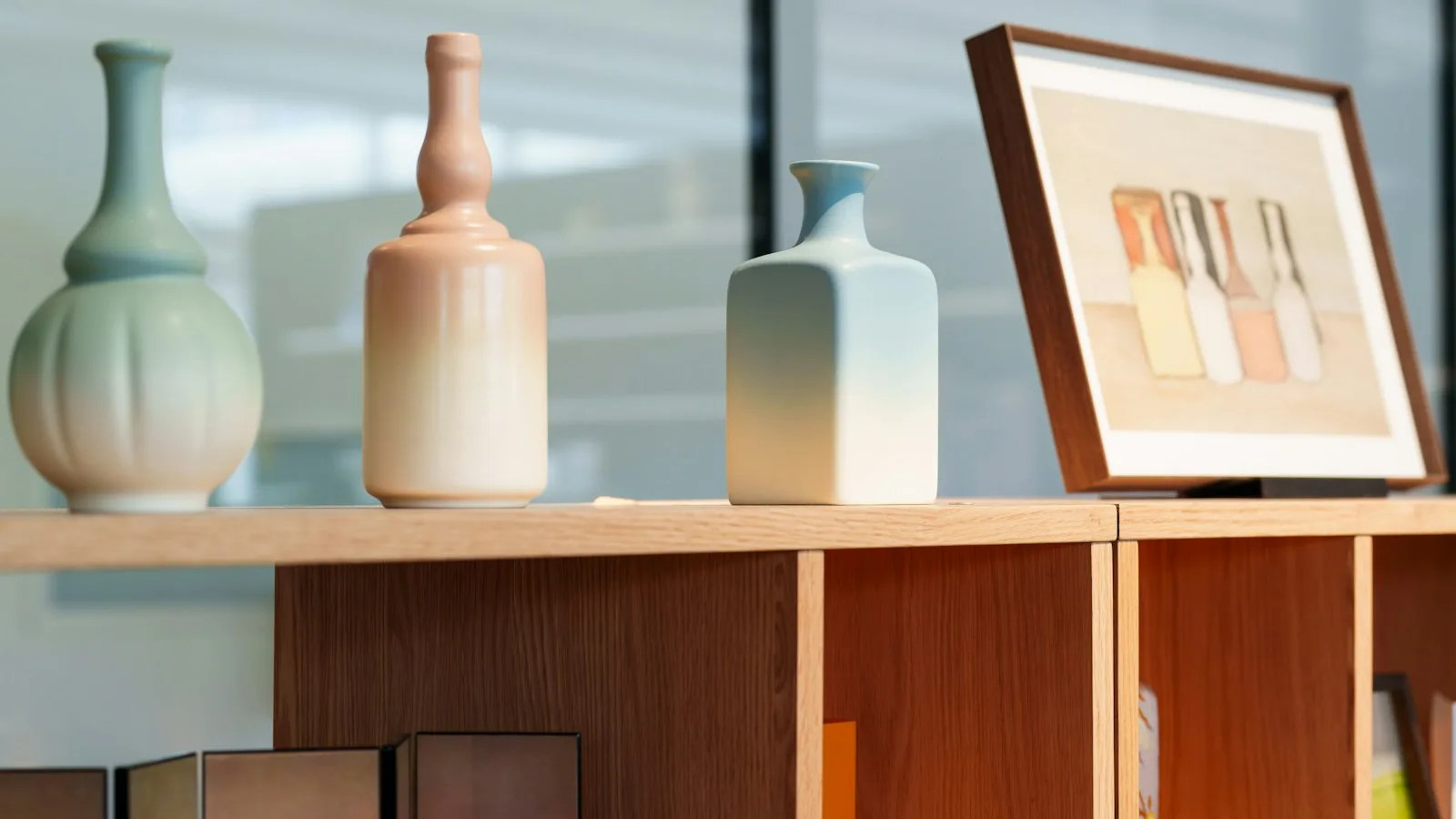
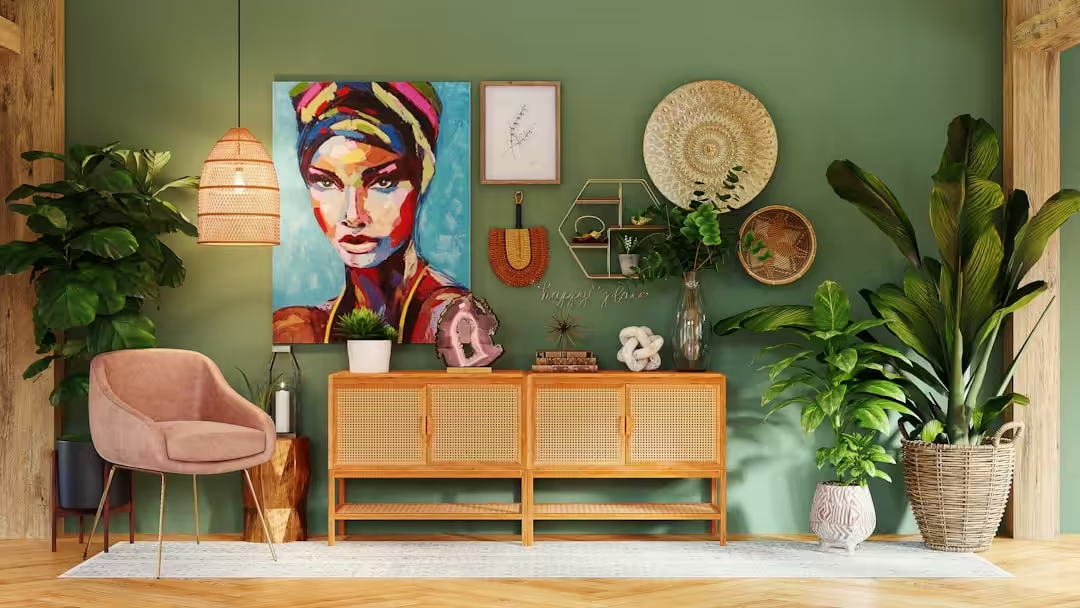
Japandi represents a beautiful fusion of Japanese minimalism and Scandinavian functionality, emerging as a distinct trend in recent years. Both philosophies share common ground—they embrace simplicity, reject excess, and value craftsmanship over mass production. However, Japanese design brings earthy tones, organic textures, and a deeper connection to nature. Expect to find muted palettes including soft browns, sage greens, warm grays, and terracotta. Materials often include raw wood, bamboo, linen, cotton, and ceramic. The aesthetic balances the Norwegian concept of hygge with the Japanese idea of wabi-sabi, creating spaces that feel grounded, peaceful, and intentionally curated.
Key Differences Between Scandinavian and Japandi
While these styles share DNA, several distinctions set them apart. Scandinavian design prioritizes brightness and openness, while Japandi leans toward warmth and earthiness. Color-wise, Scandi spaces typically feature crisp whites and light neutrals, whereas Japandi embraces deeper, more saturated earth tones. Texture matters too—Scandinavian style incorporates plush textiles for comfort, while Japandi favors natural, raw materials with subtle textures. Furniture silhouettes differ as well: Scandi pieces often showcase curved, organic shapes, while Japandi furniture tends toward straight lines and geometric forms. Understanding these nuances helps you identify which aesthetic resonates more with your personal preferences.
How to Choose Your Style
Selecting between Scandinavian and Japandi depends on several personal factors. Consider your existing furniture—if you have many light-colored pieces, Scandi might feel more natural. If you prefer richer woods and earthier tones, Japandi could be your match. Think about your lifestyle: Scandi spaces often feel more casual and family-friendly, while Japandi spaces tend toward intentional minimalism. Examine your climate and natural light, as this influences how each style reads in your space. Both styles work beautifully in any home size, though Japandi’s deeper tones can make smaller rooms feel cozy rather than cramped. Trust your instincts and choose the style that makes you feel most peaceful when you walk through your door.
Furniture Pieces for Each Style
Investing in quality foundational pieces transforms your space dramatically. For Scandinavian style, prioritize a light oak dining table with clean lines, a comfortable sofa with wooden legs, and functional storage like open shelving or minimalist bookcases. Add cozy elements: a plush area rug, soft throw pillows, and a statement floor lamp. For Japandi, seek low wooden platform beds,简约 coffee tables with natural grain, and floor cushions for flexible seating. Ceramic vases, wooden bowls, and woven baskets add authentic touches. Whatever style you choose, select pieces that serve multiple purposes—this aligns with both philosophies’ emphasis on functionality and mindful consumption.
Mixing Elements From Both Styles
You don’t have to choose just one—blending Scandinavian and Japandi creates a personalized aesthetic unique to your home. Start with a neutral base, then layer textures and tones from both styles. Pair a light oak Scandi dining table with Japandi-style ceramic dinnerware. Combine plush Scandi throws with woven Japanese baskets. Mix white walls with darker wood furniture for visual interest. The key is balance—avoid overwhelming either style. Take your time curating pieces that speak to you, focusing on quality over quantity. This thoughtful approach results in a space that feels collected over time rather than instantly decorated.

Frequently Asked Questions
What is the main difference between Scandinavian and Japandi style?
Scandinavian style emphasizes bright, airy spaces with light colors and curved furniture. Japandi blends Japanese minimalism with Scandi functionality, featuring earthier tones, raw materials, and cleaner geometric lines. Both prioritize simplicity but create different atmospheres.
Can I mix Scandinavian and Japandi furniture in one room?
Absolutely. Both styles share common values—minimalism, natural materials, and functionality—so they blend naturally. Pair light wood Scandi pieces with darker Japandi accents. Balance is key to creating a cohesive look that feels intentional rather than chaotic.
Which style works best for small apartments?
Japandi often suits small spaces better because its earthier tones create warmth without heaviness. However, Scandinavian style’s light palette can make tiny rooms feel more open. Consider your lighting and personal preferences when choosing.
Is Japandi more expensive than Scandinavian style?
Both styles value quality over quantity, so costs depend on your choices. Authentic Japanese handmade pieces may cost more, while Scandi design offers wide price ranges. Focus on investing in versatile, durable pieces regardless of style.
How do I start transitioning my home to either style?
Begin by decluttering and assessing what you currently own. Identify pieces that align with your chosen aesthetic. Gradually replace items with versions that better match—start with larger furniture and textiles. Take your time building a cohesive look.