



You’ve probably seen those gorgeous, impossibly cheap coffee tables online or at big box stores. They look great on Instagram and won’t drain your bank account—at least not upfront. But if you’re serious about creating a home that feels warm, lasting, and truly yours, there’s something worth knowing: that affordable furniture might be costing you more than you think. Let’s talk about why solid wood is worth the investment.
What Is Fast Furniture and Why Is It a Problem?
Fast furniture is the home decor equivalent of fast fashion—mass-produced pieces designed to be cheap, trendy, and disposable. Think particle board shelves, veneer-covered tables, and MDF cabinets held together with cam locks and glue. These items are engineered to look decent for a few years (sometimes less) while keeping prices rock bottom. The problem? They’re virtually impossible to repair, rarely survive a move, and end up in landfills within just a few years. When you buy fast furniture, you’re not saving money—you’re signing up for a cycle of replacement that adds up fast.
The Real Cost of Cheap Particle Board
Here’s a truth most retailers won’t tell you: that $200 particle board bookshelf might seem like a bargain, but it’s probably already declining in quality the moment you assemble it. Particle board swells when it meets moisture, sag under weight over time, and can’t hold screws securely after the first disassembly. Fast furniture joints loosen, drawer slides stick, and those sleek finishes chip revealing ugly engineered wood beneath. When you factor in replacement costs every two to three years, that cheap price tag disappears and you’re left spending more than you would have on a single solid piece that lasts decades.
Why Solid Wood Survives Generations
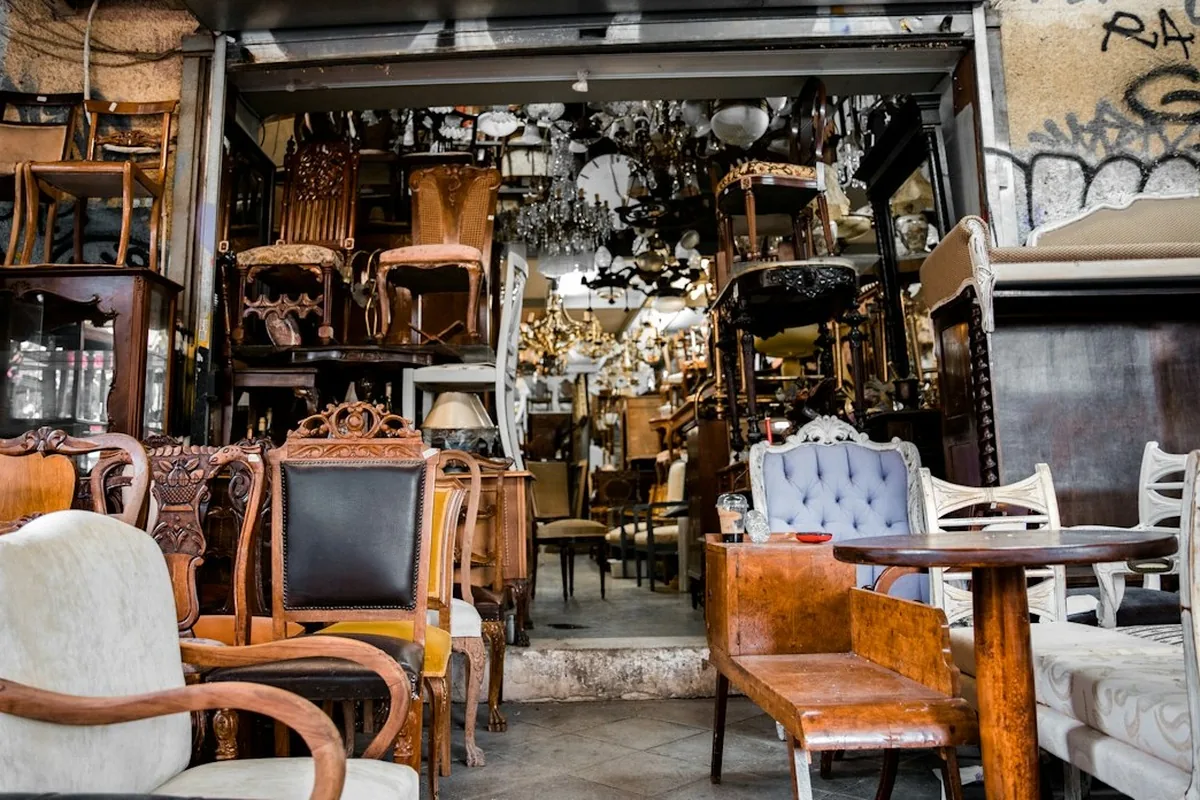
Solid wood furniture is built to outlast trends, moves, and daily wear. A well-made oak dining table or walnut bookshelf gains character with age, can be sanded and refinished when scratched, and holds value both functionally and emotionally. Real wood joints—think mortise and tenon or dovetail drawers—are designed to be taken apart and reassembled without loosening. This means solid pieces can travel with you from apartment to house, survive kids, pets, and years of use, and even become heirlooms passed down to the next generation. That’s not just furniture; it’s legacy.
How to Spot Quality Furniture When Shopping
You don’t need to be a carpenter to identify solid wood furniture. Start by checking the weight—heavy usually means solid. Look at the edges and undersides; if the grain pattern stops abruptly at corners, you’re probably looking at veneer over engineered wood. Open drawers and check for dovetail joints (those interlocking triangular cuts) rather than staples or glue. Press gently on surfaces—particle board feels hollow or flexible, while solid wood feels firm. Don’t trust labels alone; phrases like “wood-toned finish” or “engineered wood” are giveaways. Take your time, ask questions, and remember: quality always leaves clues.
The Environmental Impact of Your Choices
Fast furniture isn’t just a budget issue—it’s an environmental one. Most particle board and MDF contains formaldehyde-based resins that off-gas into your home. These pieces are nearly impossible to recycle and primarily end up in landfills where they don’t break down gracefully. Solid wood, especially from sustainably managed forests, is a renewable resource that biodegrades and can be repaired rather than replaced. When you invest in quality pieces, you’re reducing landfill waste, supporting responsible manufacturing, and creating a healthier home environment free from the chemicals common in cheap furniture production.
Making Smart Investments for Your Home
You don’t need to furnish your entire home overnight. Start with the pieces you use most—a solid dining table where your family gathers, a well-built sofa that sees daily use, a bookshelf that holds weight. Choose versatile styles in neutral finishes that adapt to changing tastes rather than chasing fleeting trends. Think of each purchase as a long-term relationship rather than a short-term transaction. Yes, solid wood costs more upfront, but when you divide that price by the years (or decades) you’ll use it, the cost per use becomes remarkably reasonable. Your home deserves pieces that match its warmth and your values.
Frequently Asked Questions
How long does solid wood furniture last compared to fast furniture?
Solid wood furniture typically lasts 20-50+ years with proper care, while fast furniture usually needs replacing within 2-5 years. The longevity difference is dramatic—a solid oak dining table can outlast multiple generations, whereas particle board pieces often fail within just a few years of regular use.
Is solid wood furniture worth the higher upfront cost?
Yes. When you calculate cost per year of use, solid wood is often cheaper than buying cheap furniture repeatedly. A $800 solid table lasting 20 years costs $40 annually, while a $200 table replaced every three years costs about $67 annually over the same period.
How do I care for solid wood furniture?
Dust regularly with a soft cloth, wipe up spills immediately, and use coasters under glasses. Avoid harsh chemicals and direct sunlight. For deeper care, apply furniture polish or natural oils annually depending on the finish. Unlike particle board, solid wood can be sanded and refinished when it shows wear.
What should I look for when buying solid wood furniture?
Check for solid wood construction (not just wood veneer), quality joinery like dovetail or mortise-and-tenon joints, and heavy, solid feel. Examine unfinished areas like drawer bottoms and cabinet backs. Avoid pieces described as “engineered wood” or “wood-toned finish.”
Can solid wood furniture be environmentally friendly?
Absolutely. Look for pieces made from sustainably harvested wood with certifications like FSC. Solid wood is biodegradable, can be repaired rather than replaced, and doesn’t contain the formaldehyde resins found in particle board and MDF. Investing in quality reduces the cycle of disposal and replacement.


