


Thinking about refreshing your home but torn between Scandinavian coziness and Japandi simplicity? You’re not alone. These two minimalist styles have taken the interior design world by storm, and for good reason. Both create beautiful, functional spaces—but they feel distinctly different. Let me walk you through what makes each style special, so you can confidently choose the one that speaks to you and transforms your living space into something you genuinely love coming home to.
The Roots of Scandinavian Design
Scandinavian design emerged from the Nordic countries—Sweden, Norway, Denmark, and Finland—during the mid-20th century. The harsh winters and long, dark nights drove designers to create spaces that felt warm, inviting, and functional. The core philosophy centers on Hygge—that Danish concept of cozy contentment—and functionality without sacrificing beauty. Think light-filled rooms, clean lines, and furniture that serves a purpose while looking beautiful. This style celebrates accessibility, mass-producing well-designed pieces so everyone could enjoy thoughtful design in their homes.
What Exactly Is Japandi?
Japandi is the beautiful marriage of Japanese minimalism and Scandinavian functionality—a design trend that gained momentum in the 2010s but draws from centuries-old traditions. Japanese design, or Wabi-Sabi, embraces imperfection and impermanence, finding beauty in natural wear and aging. When combined with Scandinavian practicality, you get a style that’s both deeply philosophical and highly livable. Japandi isn’t just about aesthetics; it’s about intentional living. The spaces feel calm, grounded, and thoughtfully curated rather than simply decorated. This fusion speaks to anyone seeking tranquility in their daily environment.
Color Schemes That Define Each Style
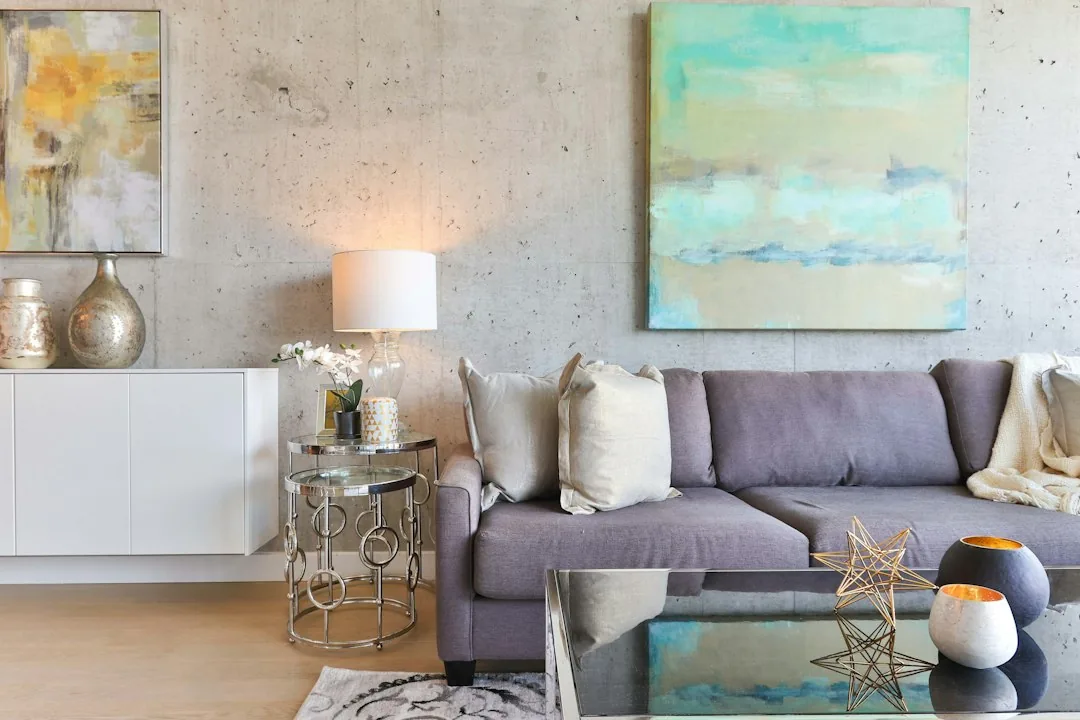
The color palettes reveal the soul of each style. Scandinavian design leans toward soft, neutral tones—creamy whites, warm grays, soft beiges, and pale blues that maximize natural light and create an airy feel. You’ll often see pops of muted pastels or warm wood tones adding personality without overwhelming the space. Japandi takes a more earthy approach, embracing deeper neutrals like charcoal gray, warm browns, forest green, and terracotta. The palette feels more grounded and sophisticated, drawing from nature’s richer tones. Both styles avoid harsh contrasts, but Japandi tends toward warmer, more saturated earth colors while Scandinavian keeps things lighter and brighter.
Furniture Materials and Textures
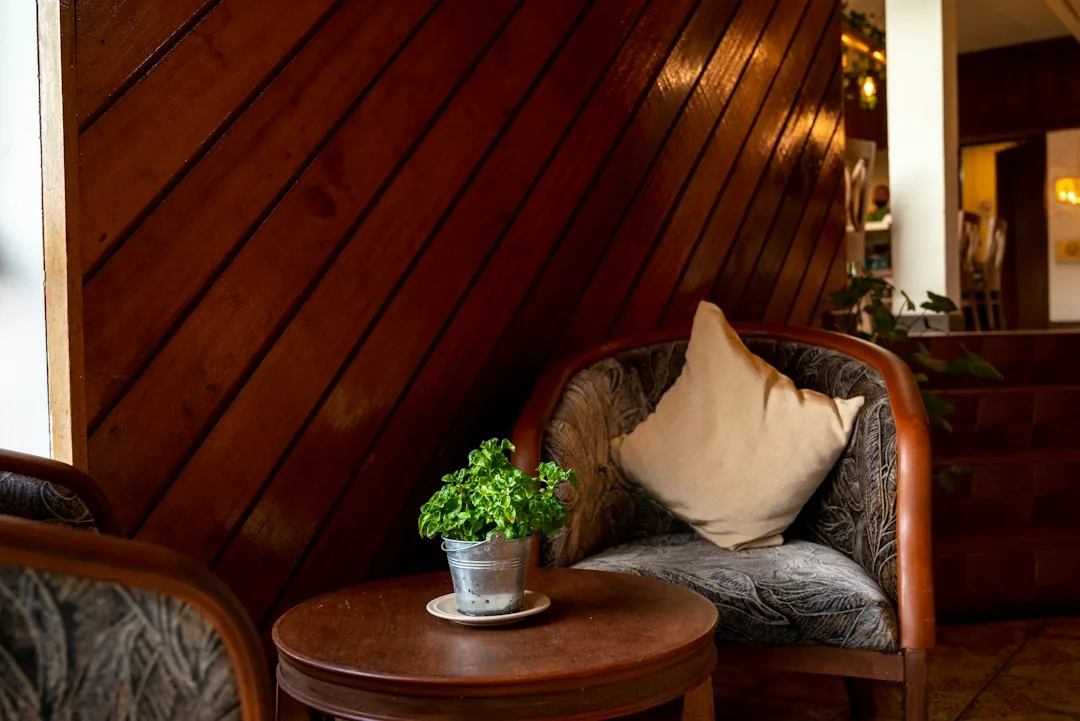
The materials tell the story of each design philosophy. Scandinavian furniture celebrates light-colored woods—birch, ash, and pine—often left in their natural state or painted white. You’ll find furniture with gently curved legs, soft upholstery in wool or cotton, and pieces that feel inviting to touch. Rugs, throws, and cushions add warmth and texture. Japandi furniture leans toward darker, richer woods like walnut, teak, and oak, often showcasing natural grain and texture. Materials feel more raw and organic—think linen, bamboo, and unglazed ceramics. The textures are intentional, celebrating natural variation rather than uniformity. Both styles prioritize quality over quantity, choosing pieces that age beautifully.
Choosing the Right Style for Your Space
Your lifestyle and personality are the best guides when picking between these styles. Choose Scandinavian if you love creating cozy gathering spaces, enjoy layering textures and soft fabrics, want rooms that feel light and open, and appreciate playful accents in your decor. Choose Japandi if you’re drawn to serene, meditative spaces, prefer clean surfaces and hidden storage, love natural materials with visible grain and texture, and find peace in simplicity and order. Consider your existing furniture too—if you have warm wooden pieces and cozy textiles, Scandinavian might feel more natural. If your items skew sleek and organic, Japandi could be your perfect match.
Blending Both Styles Successfully
The beauty of these styles is that they share enough common ground to blend beautifully. Start with neutral walls—you can shift warmer or cooler depending on which direction you lean. Mix light and dark woods thoughtfully; a light Scandinavian coffee table works perfectly beside a Japandi-style floor lamp. Layer soft Scandinavian textiles with natural Japandi materials like woven baskets or ceramic vessels. The key is balance rather than strict adherence to rules. Include pieces that feel intentional and meaningful, whether that’s a cozy Danish boucle chair or a handcrafted Japanese pottery piece. Trust your instincts and let your space evolve naturally over time.
Frequently Asked Questions
Can I mix Scandinavian and Japandi furniture in one room?
Absolutely! Both styles share minimalist principles and a love for natural materials, so they blend beautifully. Start with a neutral foundation and layer pieces from each style. A light Scandinavian sofa works wonderfully with darker Japandi wooden accents. The key is maintaining balance and avoiding clutter.
Which style is better for small apartments?
Both styles work exceptionally well in small spaces due to their minimalist approach. Japandi’s slightly darker palette can make compact rooms feel grounded and intimate, while Scandinavian’s light colors can make small spaces feel more open and airy. Choose based on the atmosphere you prefer—cozy and intimate versus light and spacious.
Is Japandi more expensive than Scandinavian design?
Both styles can fit various budgets. Scandinavian design offers many affordable mass-produced options from well-known retailers. Authentic Japandi pieces often emphasize artisanal quality and natural materials, which can be pricier, but you can achieve the look gradually with carefully chosen accent pieces.
How do I add warmth to a Japandi-style room?
Layer in natural textures like linen curtains, wool throws, and woven rugs. Add plants—they complement both styles beautifully. Incorporate candlelight and soft lighting fixtures. Wooden elements with visible grain and handmade ceramic pieces bring organic warmth that perfectly complements Japandi’s earthier palette.
What’s the easiest way to start transitioning to either style?
Begin by decluttering and removing items that don’t serve a purpose or bring you joy. Add natural materials gradually—wood furniture, linen textiles, plants. Choose a neutral wall color that appeals to you. Invest in quality basics first, then layer in accessories over time. The transformation happens naturally when you focus on intentional, thoughtful choices.


